
soldering play in Flex pcb supplier
Whether it is in the assembly of electronics or for hobbyist projects, soldering plays an indispensable role. It provides the electrical continuity necessary for a circuit to function, and it also facilitates the process of desoldering, which removes the solder and restores connectivity. Both these processes are critical to ensuring that electrical connections are strong, durable, and reliable.
Typically, soldering uses a tin-based alloy with a high melting point. This makes it difficult to use on delicate components and rigid PCBs. However, by adding a small amount of silver to the mix, the melting point can be reduced and the soldering process made easier. In addition to the low melting point, silver also helps the solder flow better and create a stronger joint.
Soldering flex pcb supplier requires precision and careful planning. It is important to use a fine tip on the soldering iron, which allows you to work with a smaller area and prevents the copper traces from burning. Additionally, you need to choose the right flux for your project. Different kinds of flux eliminate oxides and impurities from the metal surfaces, preventing them from interfering with the reflow process. They also accelerate wetting, which allows the molten solder to spread evenly over the surface of the metal, creating strong and reliable connections.
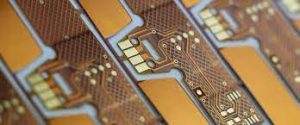
What role does soldering play in Flex pcb supplier?
Another important tool is a “third hand.” It allows you to hold the soldering iron and solder wire with one hand, while using the other to support or secure the component to which you are working. You can also use alligator clips, clamps, or tape to hold the parts in place. Finally, a good pair of protective eyewear is a must to protect against the heat from the soldering iron and the sparks from the soldering wire.
The underlying layer of a flex circuit is often made from Polyimide, which is highly flexible and tough and can withstand many solder reflow cycles. In addition, it is abrasion resistant and can withstand temperatures up to 375°C. It is often combined with FR4 or polyamide stiffeners, which add structural strength and stability to the circuit. These stiffeners are also useful in controlling signal line impedance, which helps reduce noise and electromagnetic interference.
In order to assemble a flex circuit, it is important to ensure that the copper traces are the correct width. If they are too narrow, they will be susceptible to bending, which can damage the circuit. In some cases, it may be necessary to increase the width of the traces by using a wider strip of copper or using a sleeve on the tracing.
Another way to improve the quality of a flex circuit is to add a shielding layer, which can help protect the circuit from EMI interference and other environmental factors. This option is available for most flex PCBs and can be added during the manufacturing process. It is a very inexpensive option that can make your finished product more robust and durable.