
documentation play in the flex rigid pcb manufacturer
Documentation plays a pivotal role in every stage of flex rigid PCB manufacturing, ensuring accuracy, consistency, and compliance with industry standards and customer requirements. From initial design and prototyping to production, testing, and assembly, comprehensive documentation serves as a roadmap for manufacturers, engineers, technicians, and quality assurance personnel, facilitating efficient communication and seamless workflow throughout the manufacturing process.
At the outset, documentation serves as the foundation for flex rigid pcb manufacturer, capturing the design specifications, requirements, and constraints provided by the customer. Detailed design documentation includes schematic diagrams, layout files, fabrication drawings, and assembly instructions, providing clear guidelines for PCB layout designers and engineers to translate conceptual designs into manufacturable products. Accurate documentation is crucial for minimizing design iterations, preventing errors, and ensuring that the final product meets the customer’s expectations.
During the prototyping phase, documentation plays a crucial role in documenting revisions, modifications, and design changes made to the initial PCB design. Prototyping documentation includes version control logs, design change orders, and engineering change notices, enabling engineers and technicians to track the evolution of the design and implement necessary modifications iteratively. Clear and up-to-date documentation streamlines the prototyping process, accelerates troubleshooting, and facilitates collaboration between design and manufacturing teams.
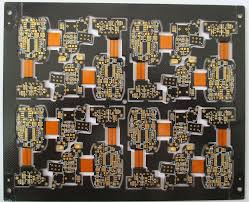
What role does documentation play in the flex rigid pcb manufacturer?
In the production phase, documentation serves as a comprehensive reference for manufacturing processes, materials, and specifications. Production documentation includes bill of materials (BOM), manufacturing instructions, process specifications, and quality control procedures, providing operators and technicians with detailed instructions for fabricating, assembling, and testing flex rigid PCBs. Well-documented production processes ensure consistency, repeatability, and traceability, minimizing variability and enhancing product quality and reliability.
Documentation also plays a crucial role in ensuring regulatory compliance and adherence to industry standards throughout the flex rigid PCB manufacturing process. Compliance documentation includes certification records, test reports, and compliance statements, demonstrating conformity with applicable regulations such as RoHS (Restriction of Hazardous Substances), REACH (Registration, Evaluation, Authorization, and Restriction of Chemicals), and IPC (Association Connecting Electronics Industries) standards. Compliance documentation not only ensures legal and regulatory compliance but also enhances market acceptance and customer trust.
Furthermore, documentation serves as a valuable tool for quality assurance and continuous improvement in flex rigid PCB manufacturing. Quality documentation includes inspection records, test data, non-conformance reports, and corrective action plans, enabling manufacturers to monitor and evaluate product quality, identify potential issues or defects, and implement corrective measures promptly. By documenting quality metrics and performance indicators, manufacturers can drive process improvements, enhance product quality, and meet customer satisfaction.
Documentation also plays a crucial role in facilitating communication and collaboration between stakeholders involved in flex rigid PCB manufacturing. Clear and comprehensive documentation serves as a common language for engineers, technicians, suppliers, and customers, enabling effective communication of design requirements, manufacturing specifications, and quality expectations. By providing a shared understanding of project goals and requirements, documentation fosters collaboration, reduces misunderstandings, and promotes alignment across cross-functional teams.
In conclusion, documentation plays a multifaceted role in flex rigid PCB manufacturing, serving as a cornerstone for design, prototyping, production, compliance, quality assurance, and collaboration. By capturing critical information, specifications, and instructions throughout the manufacturing process, documentation ensures accuracy, consistency, compliance, and efficiency, ultimately contributing to the successful development and delivery of high-quality flex rigid PCBs that meet customer expectations and industry standards.