
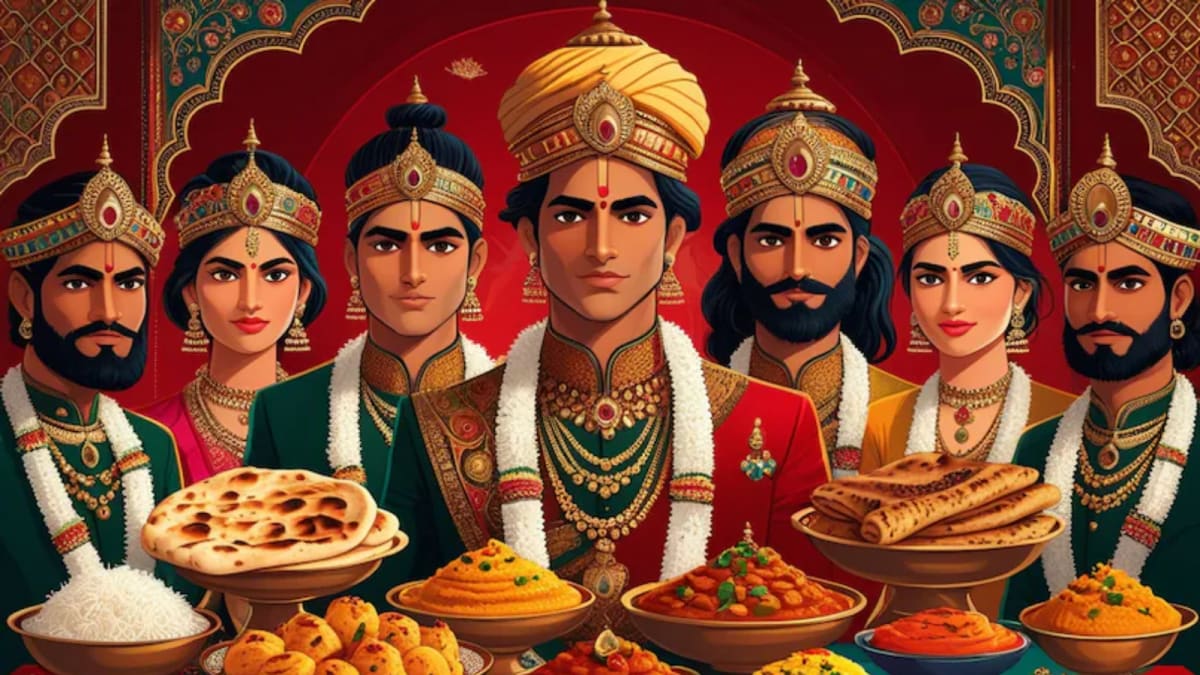
The kings and nawabs of India followed special diets and consumed medicinal herbs to enhance their physical strength, stamina, and virility. These remedies were rooted in Ayurveda and traditional wisdom. They regularly consumed Ashwagandha, Shilajit, Safed Musli, and Kaunch seeds, all believed to boost sexual vitality. Their diet also included generous amounts of milk, ghee, dry fruits, and raw eggs mixed with sugar. (AI Generated)
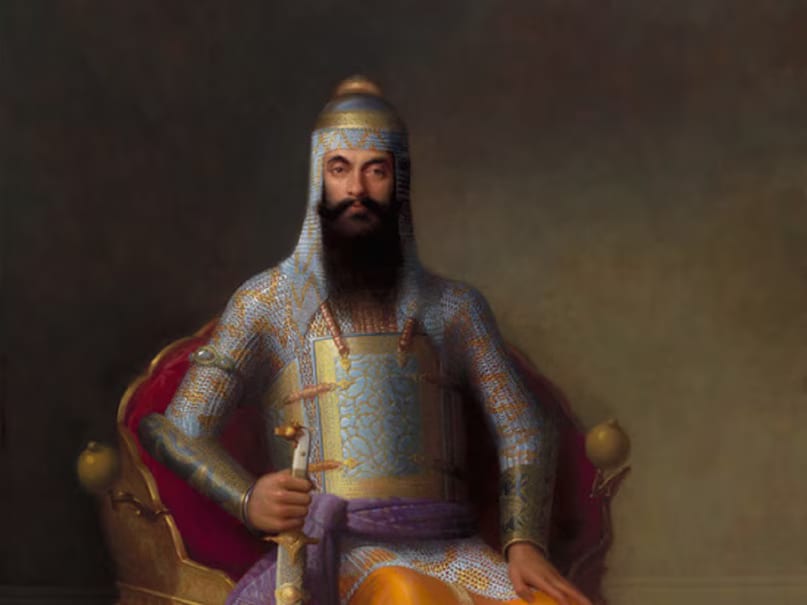
The Sikh ruler of Punjab, Maharaja Ranjit Singh, reportedly consumed Ashwagandha and Shilajit regularly. He drank Badam Sharbat, a blend of almonds, saffron, milk, and sugar candy. The Maharaja laid great emphasis on horse riding and physical exercise. Despite being blind in one eye and bearing smallpox scars, he was famed for his physical strength and military skills. (News18 Hindi)
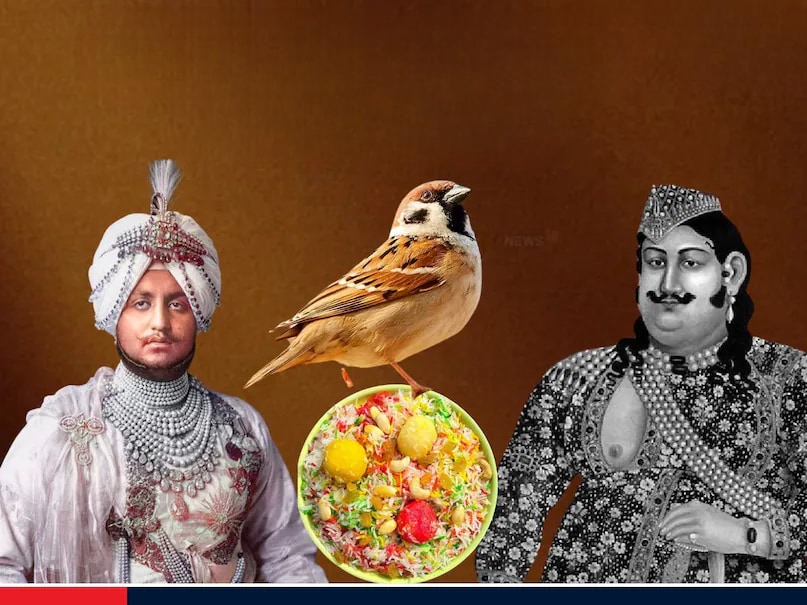
Before independence, India had nearly 565 princely states, each ruled by its own king, nawab, or nizam. Their preferences, from food to lifestyle, were often lavish and unique. Maharaja Bhupinder Singh of Patiala was among the most notable. Standing 6 feet tall and weighing around 136 kg, he had a striking presence. Known to have 350 women in his harem, the Maharaja reportedly hired a foreign doctor to prepare aphrodisiacs for him and paid him a hefty salary. (News18 Hindi)
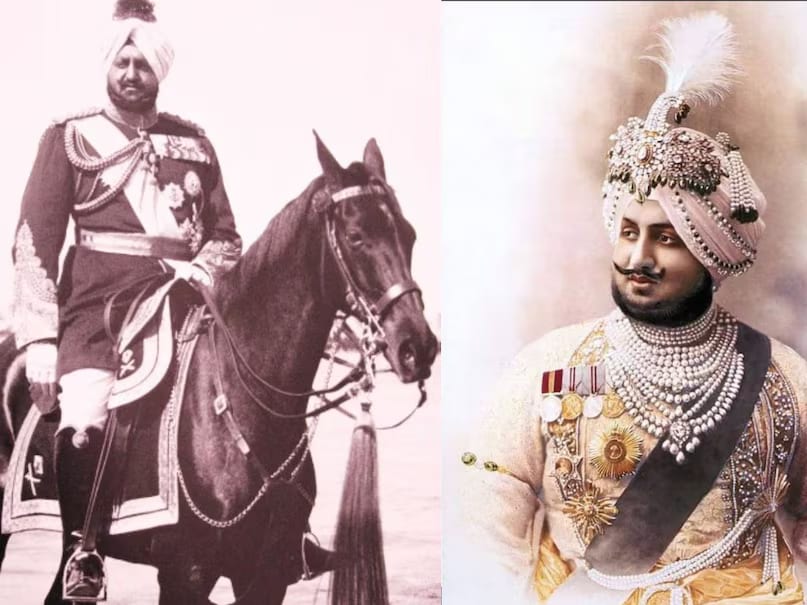
To boost his strength, the Patiala Maharaja consumed pearls, gold, silver, and various herbs. A special preparation made from the brain of a sparrow, mixed with finely chopped carrots, was part of his routine. He also consumed gold ash regularly, which was believed to enhance stamina and strength, enabling him to spend nights with his many queens. (News18 Hindi)
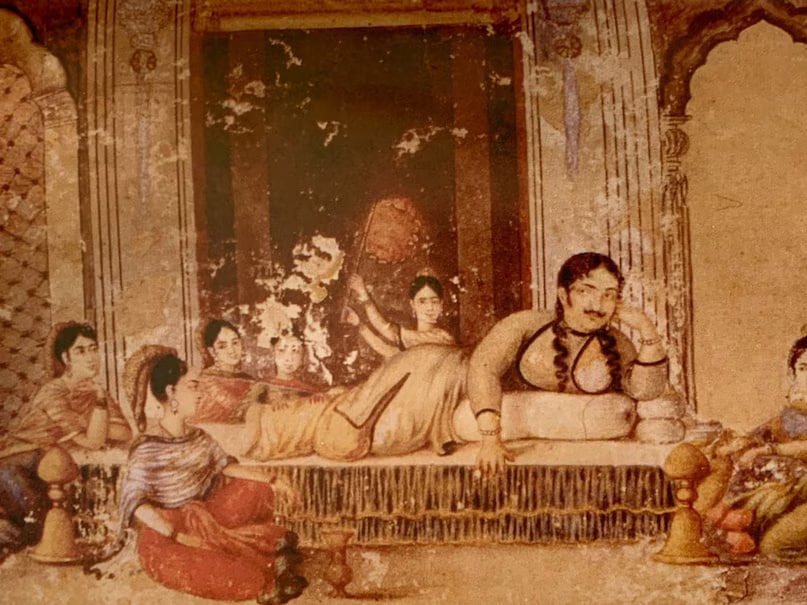
The last Nawab of Awadh, Wajid Ali Shah, had his own personal doctor who crafted new recipes daily. One of his favourites was gold ash taken with milk. The Nawab also had a fondness for Mutanjan, a sweet rice dish cooked with cashews, almonds, raisins, khoya, and saffron, topped with silver foil. Over time, this dish evolved into what is known today as sweet pulao. (News18 Hindi)
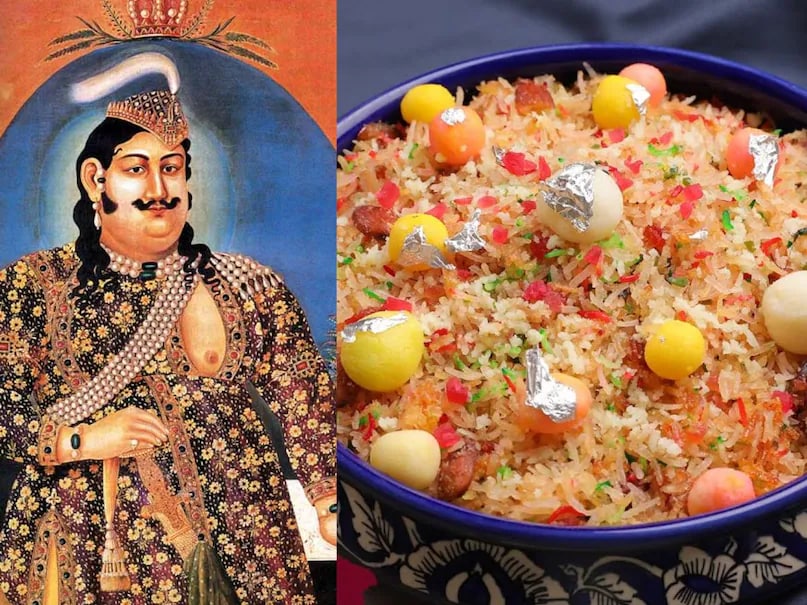
Mutanjan is believed to have originated in the Middle East and was later adopted by Mughal chefs in India. It gradually gained popularity among Indian royalty. Author Mirza Zafar Hussain, in his book ‘Qadeem Lucknow Ki Aakhiri Bahar’, described its significance and popularity among the Mughals and Nawabs. (News18 Hindi)
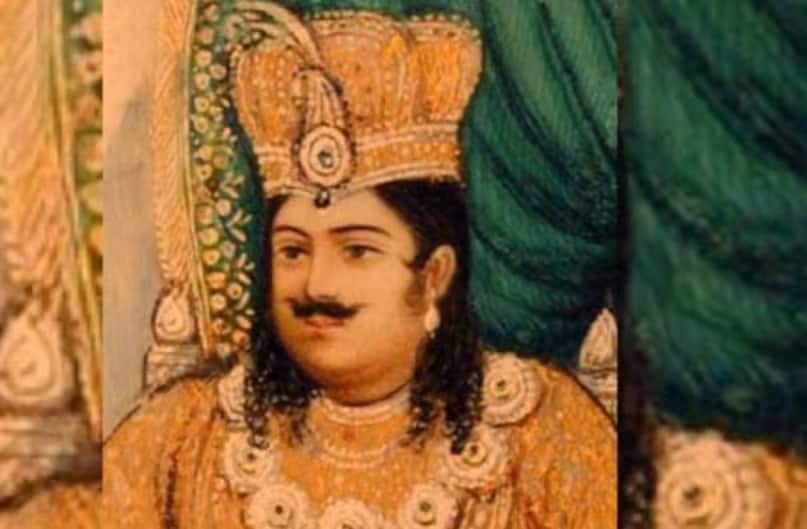
Wajid Ali Shah also raised chickens on a special diet and consumed their eggs. He regularly took Majun-e-Ishq, an herbal paste prepared by traditional Hakims. He believed in dance and music, particularly Kathak, as a form of stress relief. Known as a ‘Rasik Nawab’, he was deeply aware of sensual pleasures. (News18 Hindi)
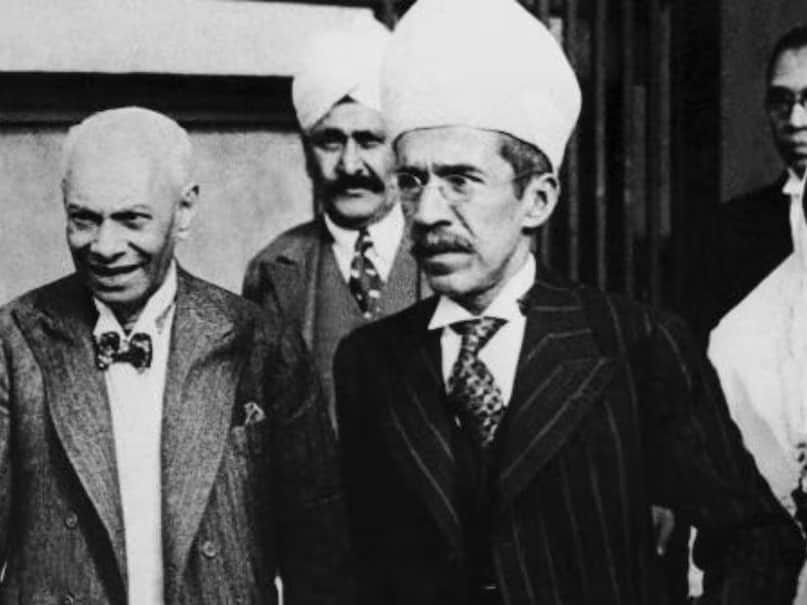
At the time of independence, Nizam Mir Osman Ali of Hyderabad was the richest man in India. He too had a fondness for rich food and indulgences. According to authors Dominique Lapierre and Larry Collins, the Nizam’s diet included cream, sweets, fruits, betel nuts, and opium. He was addicted to opium and couldn’t sleep without a daily dose. He also consumed Dam-e-Kaus, a herbal soup made by Hakims, and protein-rich dishes like biryani and korma. (News18 Hindi)
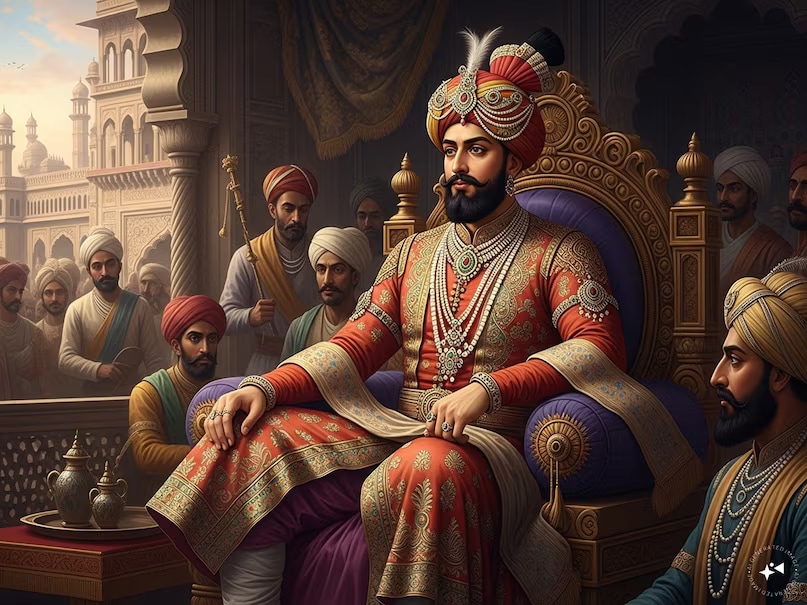
Siraj-ud-Daulah, the Nawab of Bengal, considered river fish a lucky charm. He consumed Ayurvedic powders to aid digestion and build strength. Known for his youthful energy, he reportedly followed a special diet to enhance his military abilities. (News18 Hindi)
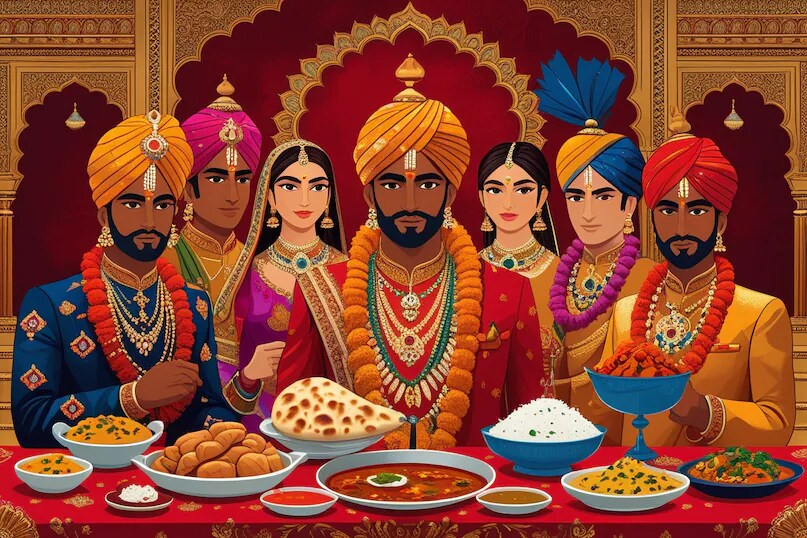
Maharaja Bhoj of the Parmar dynasty, who ruled Dhar, was known for his patronage of scholars and health-conscious lifestyle. He consumed Chyawanprash and Brahmi, along with milk mixed with gold ash. His balanced lifestyle earned him the name ‘Raja Bhoj’, symbolising both wisdom and physical wellness. (News18 Hindi)