
Soldering Techniques Used For an RF Circuit Board
The soldering technique used for an rf circuit board depends on the type of metals in the PCB and how they connect with other components. This process also involves the use of a flux, which removes oxides from the metal surface and helps prevent oxidation during the soldering process. Depending on the application, there are various types of fluxes available including organic acid, alcohol-based, and rosin flux. Each has its own unique characteristics and benefits.
Before beginning the soldering process, make sure all materials and tools are in place. A well-lit area with good ventilation is preferred, as soldering produces volatile fumes. Work gloves should be worn to protect hands from burns, and ANSI-approved safety glasses are essential to protect eyes from flying solder particles and sparks. It is also a good idea to have first aid kits and fire extinguishers nearby for emergency situations.
To begin the process, it is essential to clean the PCBs with isopropyl alcohol before using them. This step is crucial to preventing corrosion and ensuring the accuracy of the work. In addition, it is important to secure the boards in a vise or clamping stand. This will prevent movement and allow both hands to be free for soldering.
Next, apply the solder paste to the board and position the components. Then, put the board in a tunnel with controlled heat to melt the solder paste and bond the components to the boards. The heat also reflows the plating of the lead and tin, forming permanent solder joints. This is an efficient method for attaching surface-mount components to a circuit board.
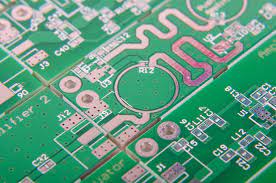
What Are the Soldering Techniques Used For an RF Circuit Board?
There are two main methods for soldering a printed circuit board: wave and reflow. Reflow soldering is more efficient than wave soldering, and it allows for a higher level of automation. However, both processes require special equipment and have different advantages and disadvantages.
Both reflow and wave soldering are effective for connecting components to an rf circuit board. The most important thing is to follow proper soldering techniques, which will ensure a solid connection between the components and the board. The best way to do this is to practice in a workshop and get familiar with the equipment.
Choosing the right materials for an RF circuit board is vital to its performance. The dielectric constant of the material must be closely matched to the operating frequency of the circuit board. In addition, the thickness of the layers and the metalization must be selected carefully.
A RF circuit board must be designed for the specific application in which it will operate. For example, a cellular telephone circuit board must be designed to meet the performance requirements of the RF network it will operate on. This will help avoid the problems caused by a bad choice of materials, such as a loss of signal strength or poor transmission characteristics.