
Selective Soldering Improve the Efficiency of Pcb SMT Assembly
The pcb smt assembly process involves soldering components to the surface of the circuit board. This is a vital step in the manufacturing process that makes sure all the components are connected properly and securely. There are many ways to accomplish this, but one of the most efficient is selective soldering. It allows you to solder specific points on the circuit board without wasting any solder or energy. It also eliminates problems caused by heat that can damage or warp delicate components.
The selective soldering process is similar to wave soldering in that it consists of applying flux, preheating and then soldering. However, the flux is only applied to the specific locations that need to be soldered, and the preheating stage raises the temperature of the board before the soldering starts. A molten wave of solder is passed over the entire circuit board in selective soldering, but only the parts that need to be soldered see the wave. This prevents the temperature-sensitive components on the board from being damaged by the reflow process, and it allows you to do smaller runs in less time.
Choosing the correct type of solder mask is crucial. It must be compatible with the surface finish and soldering processes chosen for the project. If the mask is not compatible, the substrate can experience issues like delamination, cracking, and adhesion problems. These issues can cause serious reliability and functionality issues in the final product.
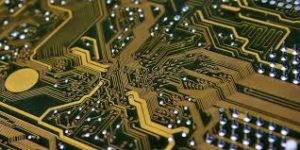
How Does Selective Soldering Improve the Efficiency of Pcb SMT Assembly?
One of the most important aspects of selective soldering is selecting the right nozzle for the job. This is because the quality of the nozzle has a direct effect on the speed and quality of the soldering process. The nozzle should be made of a material that will not react with the solder and can handle repeated high-heat cycles. It should also be light in weight and be able to withstand thermal shrinkage. It is also important to select a nozzle with good wetting properties. This means that the nozzle will be able to absorb a sufficient amount of solder to create a strong bond between the component and the PCB.
Another factor in the effectiveness of selective soldering is the type of flux that is used. The proper type of flux will reduce the formation of dross, which is a contaminant that can ruin the quality of a joint. In addition to preventing the formation of dross, the correct flux will make the surface of the solder smoother and more effective at adhering to the PCB. It is also a good idea to use nitrogen in the selective soldering process. Nitrogen is an inert gas that can help prevent oxidation and extend the life of the nozzle. The best way to get high-quality nitrogen for a selective soldering process is to use a nitrogen generator.
Selective soldering is an efficient alternative to other production soldering methods such as wave or reflow soldering. It can be used to solder through-hole pins and work around delicate SMD packages. It also saves energy by requiring fewer components than other methods. It can be used to produce small or large quantities of PCBs. It is particularly useful in situations where the components on the board cannot be soldered using reflow because of their design or other constraints.