
panelization optimize Pcb assembly companies processes
Panelization is a strategic process employed by PCB assembly companies to optimize their workflows and enhance efficiency. In the realm of electronics manufacturing, PCBs (Printed Circuit Boards) serve as the fundamental building blocks for electronic devices. Panelization involves arranging multiple PCBs onto a single larger panel, streamlining the assembly process and reducing manufacturing costs. This method offers several advantages that significantly impact the overall productivity and competitiveness of PCB assembly companies.
One of the primary benefits of panelization is improved efficiency in the assembly process. By consolidating multiple PCBs onto a single panel, manufacturers can streamline various stages of production, including solder paste application, component placement, and soldering. This consolidation minimizes the need for manual handling and setup changes, resulting in faster turnaround times and increased throughput. Consequently, PCB assembly companies can fulfill orders more quickly and respond promptly to customer demands, thereby enhancing customer satisfaction and loyalty.
Furthermore, panelization optimizes the utilization of manufacturing resources. Instead of processing individual PCBs separately, panelized boards allow for simultaneous assembly of multiple units on a single panel. This maximizes the use of equipment such as pick-and-place machines and reflow ovens, as they can operate continuously without downtime between each PCB. As a result, pcb assembly companies can achieve higher levels of production output while minimizing idle time and equipment costs. Additionally, the efficient use of resources enables manufacturers to offer competitive pricing to customers without compromising on quality.
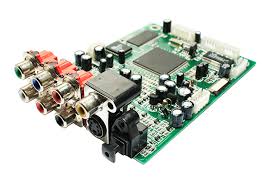
How does panelization optimize Pcb assembly companies processes?
Panelization also facilitates easier handling and transportation of PCBs throughout the assembly process. Rather than dealing with numerous individual boards, which can be cumbersome and prone to damage, panelized PCBs remain securely attached to the larger panel until the final stages of production. This simplifies material handling within the manufacturing facility and reduces the risk of errors or mishaps during transportation between different workstations. Moreover, panelized boards can be designed with standardized dimensions and tooling holes, allowing for seamless integration into automated assembly systems and improving overall process reliability.
Moreover, panelization enables efficient use of materials, thereby reducing waste and lowering production costs. By arranging multiple PCBs on a single panel with minimal spacing between them, manufacturers can optimize the layout to minimize material wastage during fabrication. This is particularly advantageous when working with expensive substrates or when producing small form-factor PCBs where every square inch of material counts. Additionally, panelization allows for easier handling of scrap material, as any unused space on the panel can be utilized for testing or prototyping purposes, further maximizing resource efficiency.
Another significant advantage of panelization is enhanced quality control and consistency across production batches. By processing multiple PCBs together on a single panel, manufacturers can ensure uniformity in solder paste deposition, component placement accuracy, and solder joint integrity. This reduces the likelihood of defects and improves the overall reliability and performance of the finished products. Additionally, panelization facilitates comprehensive testing and inspection procedures, as entire panels can be evaluated simultaneously for compliance with quality standards and specifications.
In conclusion, panelization plays a crucial role in optimizing the processes of PCB assembly companies by improving efficiency, resource utilization, material management, and quality control. By consolidating multiple PCBs onto a single panel, manufacturers can streamline production workflows, minimize waste, and enhance overall productivity. As the demand for electronic devices continues to grow, panelization remains a vital strategy for PCB assembly companies seeking to stay competitive in today’s fast-paced manufacturing landscape.