
prevent oxidation in hdi pcb supplier
Preventing oxidation in High-Density Interconnect (HDI) PCBs supplied by manufacturers is crucial for maintaining the reliability and performance of electronic devices. HDI PCBs, known for their compact size and intricate circuitry, are susceptible to oxidation, a chemical process that occurs when the PCB’s metal components react with oxygen in the air or other environmental factors. Oxidation can lead to corrosion, degradation of electrical conductivity, and ultimately, failure of the PCB. To prevent oxidation in HDI PCBs, several strategies can be employed throughout the design, manufacturing, and assembly processes.
One effective method for preventing oxidation is to use corrosion-resistant materials in the construction of HDI PCBs. This includes selecting metals such as gold, silver, or palladium for the exposed traces, vias, and pads, as these materials are highly resistant to oxidation and corrosion. Additionally, manufacturers can apply surface finishes such as ENIG (Electroless Nickel Immersion Gold) or OSP (Organic Solderability Preservatives) to protect the metal surfaces from exposure to air and moisture.
Furthermore, minimizing exposure to moisture and contaminants during the manufacturing process is essential for preventing oxidation in hdi pcb supplier. Proper storage and handling of PCB materials, as well as maintaining a clean and controlled manufacturing environment, can help reduce the risk of contamination and oxidation. Additionally, manufacturers can employ techniques such as nitrogen purging or vacuum sealing during soldering and assembly to create an oxygen-free environment and prevent oxidation of the metal surfaces.
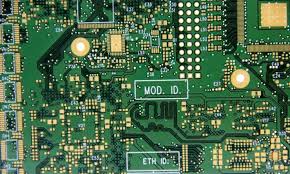
How do you prevent oxidation in hdi pcb supplier?
In addition to material selection and manufacturing processes, proper PCB design can also play a significant role in preventing oxidation. Design considerations such as minimizing the use of exposed metal surfaces, providing adequate clearance between traces and components, and incorporating protective coatings or encapsulation can help shield the PCB from exposure to oxygen and moisture. Additionally, designers should avoid sharp corners or edges, which can trap moisture and promote oxidation over time.
Regular inspection and maintenance are also essential for preventing oxidation in HDI PCBs over the long term. Periodic visual inspection of the PCB for signs of corrosion or discoloration, as well as testing for electrical continuity and insulation resistance, can help identify any potential issues before they escalate. If oxidation is detected, prompt remedial action such as cleaning, reapplication of protective coatings, or replacement of affected components may be necessary to prevent further damage.
In conclusion, preventing oxidation in HDI PCBs requires a multi-faceted approach that encompasses material selection, manufacturing processes, design considerations, and maintenance procedures. By using corrosion-resistant materials, implementing proper manufacturing techniques, optimizing PCB design, and conducting regular inspection and maintenance, manufacturers can minimize the risk of oxidation and ensure the reliability and performance of HDI PCBs in electronic devices. As technology continues to advance, ongoing research and development in materials science, manufacturing techniques, and PCB design will further enhance the effectiveness of oxidation prevention strategies, driving innovation and advancement in the field.