
fpc pcb affect system cost
A fpc pcb, also known as a flexible printed circuit board (FPC), is a special type of PCB that’s designed to be more durable and flexible than standard rigid PCBs. They can be easily bent or rolled to fit in small spaces in electronics and can also help extend the life of those products by reducing the amount of heat that they have to dissipate. However, there are a few factors that should be taken into account when considering the use of fpc in your application.
In addition to the cost of the copper layer, there are also costs associated with the other materials that make up the fpc pcb. These can include the adhesive that holds the components in place, the silkscreen that covers the conductive copper, and the overlay that protects the circuiting from external damage. Depending on the material and production location, these costs may vary significantly.
For example, the cost of the silkscreen will depend on how many layers are used and the complexity of the layout. In addition, the cost of the overlay will vary based on how thick it is and the type of material that’s used. The more expensive overlays are usually made of FR-4, which is a mixture of glass fibers and epoxy resins. This material can help protect the circuits from mechanical damage, but it’s not as conductive as copper.
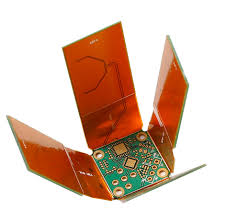
How do fpc pcb affect system cost?
To reduce the overall system cost of the FPC, some manufacturers print components on a thin film instead of inside the circuit. This allows them to cut down on the size of the finished product while still keeping it functional and looking good. In addition, removing the components eliminates the need for connectors and terminals, which can add to the overall cost of the assembly.
Another important factor to consider is the cost of labor. Depending on where the fpc will be produced, there can be differences in labor costs, as well as the running and maintenance cost of the flex PCB production equipment. Ultimately, optimizing panel utilization is the best way to minimize these costs.
A fpc pcb with a hybrid structure uses different metals to create the conductive paths, resulting in improved performance and a lower total cost of ownership. For example, a hybrid FPC circuit board might use FR-4 for the inner medium and polyimide as the outer medium. It would then have a core with a mixture of langtang alloy, gold, and copper as the conductive elements.
Finally, it’s important to consider the cost of the components themselves. The cost of the fuses, resistors, and other devices will vary widely. For this reason, it’s a good idea to compare prices from different suppliers before making a purchase. Additionally, if you’re designing a new board for a specific application, it might be worth paying extra to get the highest quality parts available. This can help ensure that your fpc pcb will perform as intended for its entire lifecycle.