
Printed Circuits
Printed circuits are integral to most electronic devices, and the quality of the assembly process directly affects how those devices function. With so many moving parts, the electronics industry is constantly evolving, making it challenging to keep up with the latest techniques and trends. It can also be difficult to understand the various terminology and types of PCB assembly, as well as the considerations that go into producing high-quality hardware.
This is particularly true for small or mid-sized businesses that rely on contract electronics assemblers for their manufacturing needs. A jiggling component or a finicky loose screw can have serious consequences, so it is important to find a contract electronics assembler that can handle both small and large batches of circuit boards. Unfortunately, some assemblers prioritize larger orders over smaller ones. This can lead to slower turnaround times for smaller orders and even deprioritization of smaller jobs altogether.
Fortunately, Bittele offers a full range of quickturn and one-stop shop services for both small and large batches of printed circuits assembly. This includes everything from PCB fabrication to quality assurance testing. We are committed to helping our clients succeed, and that means ensuring that we are ready to support them with all of their electronic assembly needs.
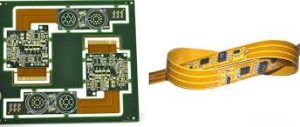
Can Printed Circuits Assembly Handle Both Small and Large Batches?
As a result, we are able to provide the same quality of work for both small and large batch projects. We use state-of-the-art equipment and best practices for both types of production, which allows us to offer a seamless experience no matter how big or small the order.
The most significant difference between small and large-batch PCB assembly is the method by which components are mounted on the board. Surface mount technology (SMT) involves mounting components directly onto the PCB’s surface, allowing for more compact designs and greater component density. This is typically done with a pick-and-place machine, which uses mechanical or even vacuum-based movements to place each component where it needs to be. Alternatively, through-hole technology involves inserting the leads of the components into pre-drilled holes on the board. These are then soldered into place, resulting in robust and durable mechanical connections.
In either case, a bill of materials is necessary to ensure that all the required components are sourced and on-hand when the assembly process begins. This is the key to avoiding any delays or production problems, as it prevents any steps from being skipped or overlooked. It’s also helpful for keeping track of inventory and minimizing waste. In addition to avoiding any errors, the SMT process also provides better consistency and precision for each individual PCB. This can be particularly beneficial for a mass-production project, where each unit must meet precise specifications.